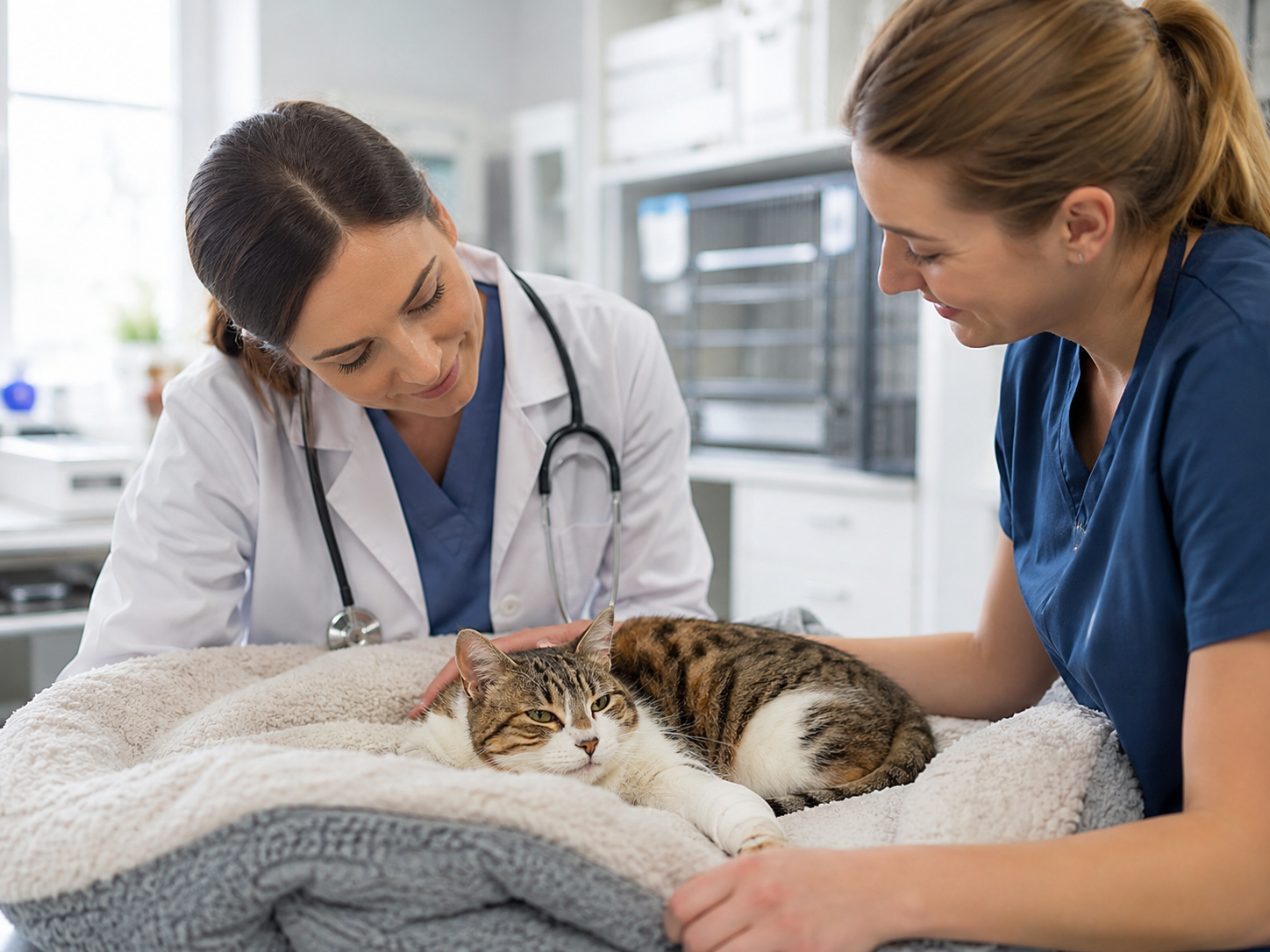
What this search usually means
This page targets a high-intent veterinary question. In plain English, that means the visitor is closer to action than to research. Someone searching for “after-hours vets in mississippi” is not browsing as a hobby. They are probably trying to solve a live problem with a dog or cat and they want direct guidance on the care category, the likely cost variables or the practical next step. That changes how the page should be written. It should not wander off into broad educational tangents. It should answer the real decision in front of the user.
In Mississippi, those decisions are often shaped by timing and service level. Some situations can wait for a general-practice veterinarian during normal hours. Others justify urgent care on the same day. Some need an emergency hospital or a clinic that can stabilize the pet and arrange referral. The distinction matters because it affects both safety and cost. A pet owner who understands that distinction is in a better position to make a faster and more rational decision.
How to choose the right level of care
General-practice veterinarian: usually appropriate for non-emergency problems during business hours. Urgent care: useful for same-day issues that need prompt attention but may not require full emergency-hospital resources. Emergency hospital: safer for potentially life-threatening conditions, major trauma, repeated seizures, severe breathing difficulty, inability to urinate, collapse, uncontrolled bleeding or rapidly worsening illness.
The reason these distinctions matter is straightforward. Many owners lose time assuming that “open” means “fully equipped for emergencies.” It does not. A clinic may be open but not taking walk-in emergencies. Another clinic may accept emergencies but refer surgery or intensive monitoring. Another may provide broad emergency services around the clock. The only reliable approach is to confirm current intake status and treatment capability directly with the clinic whenever time allows.
Questions worth asking before you go
Before leaving for the clinic, call if possible and keep the conversation practical. Confirm whether the clinic is accepting patients, whether it treats dogs or cats as needed, whether it can provide diagnostics such as X-ray or ultrasound, and whether hospitalization or surgery are available if the case becomes more serious than expected. Also ask about deposits, written estimates and whether records or medications should be brought along.
These questions do two things. First, they reduce wasted time. Second, they prepare the owner for the structure of the visit. The clinic may tell you that the first step is triage and stabilization, not a fully detailed cost discussion. Or it may tell you that diagnostics are usually needed before the doctor can say much about treatment. That is normal. It does not mean the clinic is being evasive. It usually means responsible veterinary care requires an exam and enough information to judge severity.
When not to keep comparing and just go now
If the pet is having trouble breathing, collapsing, unable to stand, bleeding heavily, repeatedly seizing, showing signs of severe pain, swelling rapidly, or unable to urinate, the balance usually shifts away from further browsing and toward immediate veterinary evaluation. Cost awareness matters, but it should not become an excuse to delay obvious emergencies. In real life, some of the most expensive cases are the ones that became more severe because treatment was delayed too long.
That does not mean every symptom is catastrophic. It means owners should understand the difference between a page that helps organize decisions and a page that becomes a substitute for treatment. This site aims to do the first. It should never encourage the second.
Related Mississippi pet-care pages
- Emergency Vets in Mississippi
- Veterinary Costs in Mississippi
- Dog Treatment Guides
- Cat Treatment Guides
- Cities in Mississippi
Use the related pages above if you need to move from a service-level question into a treatment page, or from a treatment page into a city page. That is often the fastest path for a searcher who knows the problem category but still needs local or cost context.
Why this page avoids fake certainty
Emergency and after-hours pages are full of bad shortcuts across the internet. Some throw out a made-up statewide price. Others imply that every open clinic can do everything. Neither is reliable. This page is longer because it is trying to be more useful. It explains the decisions and the variables that actually matter in practice: how severe the case looks, whether the clinic can accept the pet, what diagnostics may be needed and which questions are worth asking before the owner leaves the driveway.
That approach is less flashy, but it is far more honest. In real veterinary care, the first step is often triage and clarification. A page that helps the owner understand that process is more valuable than a page pretending the answer is already known.
Frequently asked questions
How much will this cost in Mississippi?
There is no single statewide price because the exam is only one part of the bill. Diagnostics, medication, procedures, surgery, hospitalization and the seriousness of the case can change the total substantially.
Why do estimates vary so much between cases?
The same symptom can represent very different underlying problems. A stable patient may need only an exam and medication, while a sicker patient may need imaging, lab work, oxygen, surgery or overnight monitoring.
Will a clinic give me an estimate before treatment?
Many clinics provide an initial estimate or treatment range when possible, but emergency cases can change quickly and the final plan may expand if new findings appear.
Can the final bill be higher than the estimate?
Yes. Estimates are based on the expected plan at that moment. If the pet needs more diagnostics, more treatment or longer hospitalization, the total can increase.
Does pet insurance help?
It can, depending on the policy, the waiting period, exclusions and reimbursement rules. Review your policy rather than assuming a claim will be covered.
What if I cannot afford everything?
Be direct with the clinic. Ask for the essential treatment steps, a breakdown of priorities, and whether there are payment or phased-care options.
Should I call before driving in?
When possible, yes. Calling ahead lets the clinic tell you whether it is accepting patients and whether it can provide the level of care your pet may need.
Is this page a diagnosis?
No. It is educational decision-support content only. Diagnosis and treatment require direct evaluation by a licensed veterinarian.
How long will an emergency or urgent visit take?
Timing depends on triage priority, caseload, diagnostics and treatment. A critically ill patient is usually prioritized above a stable patient.
Should I bring records and medication information?
Yes. Bring current medications, recent veterinary records, allergies and any information relevant to the problem.
Is this page a substitute for calling a clinic?
No. It helps you organize the question, but current availability and service capability must still be confirmed directly.
What is the best next step if I am uncertain?
Use the assessment for organization, then contact a veterinary professional for real-time guidance.
Need help organizing the next step?
Use the assessment to organize symptoms, urgency and treatment questions before contacting a veterinary professional.
Start Free Pet Assessment