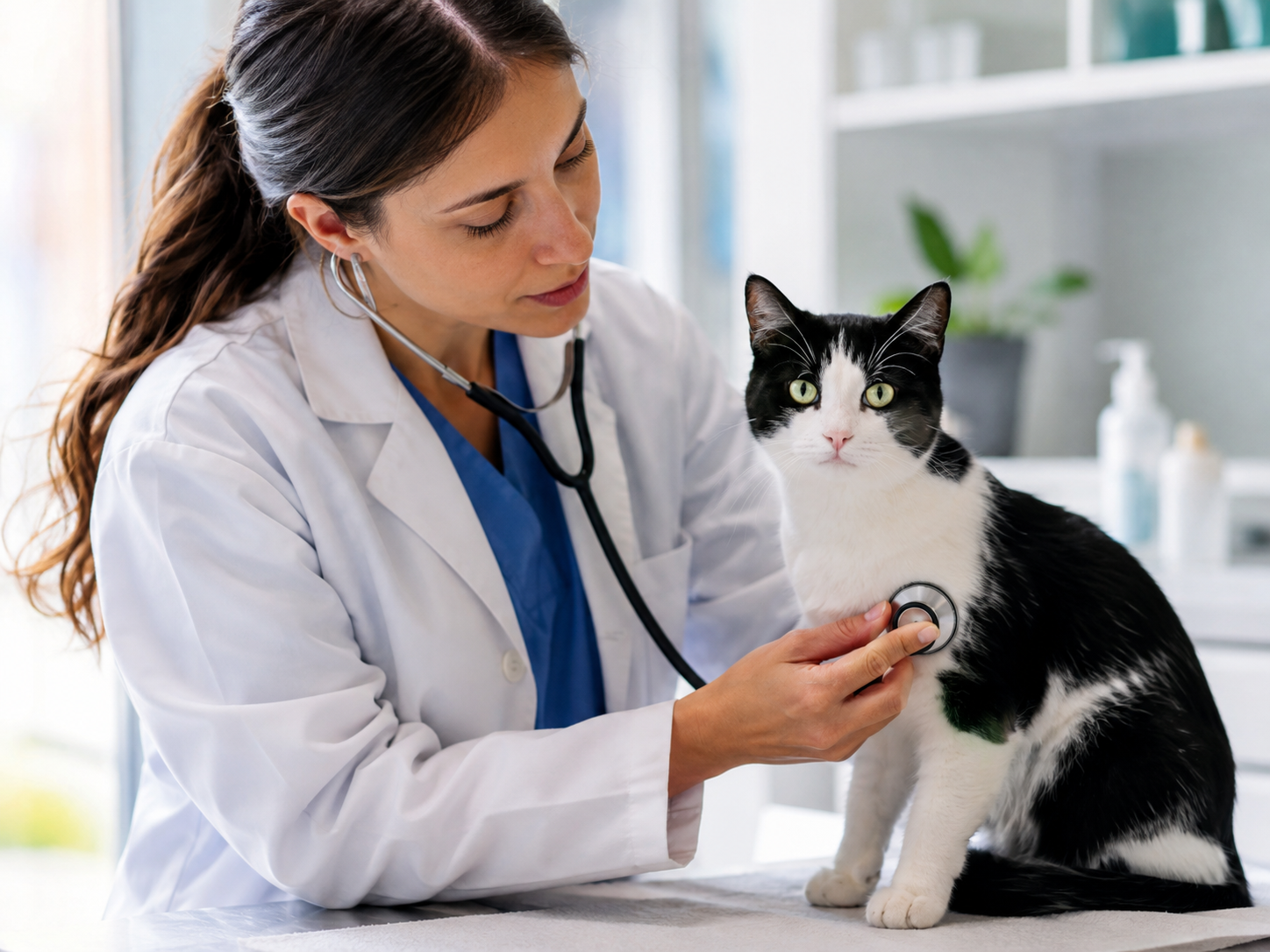
What a dog emergency visit in Southaven can involve
A dog emergency visit often begins with very little certainty. The owner may know only that the dog is vomiting, limping badly, suddenly weak, bloated, shaking, bleeding or behaving in a way that is clearly wrong. The emergency clinic has to turn that symptom into a medical problem, which usually starts with triage and an examination. From there the doctor decides whether the dog needs bloodwork, radiographs, ultrasound, pain control, IV fluids, oxygen, sedation or a more advanced procedure.
For pet owners in Southaven, local geography can matter because the appropriate clinic may be in DeSoto County and the wider north-Mississippi metro area, not necessarily the closest storefront. A dog that needs only prompt same-day evaluation may fit an urgent-care setting. A dog that may need surgery, intensive monitoring or advanced imaging may be better suited to a full emergency or referral hospital. That service-level difference is one of the biggest reasons local emergency costs vary.
The cost layers that matter most
| Part of the visit | Why it may affect the bill |
|---|---|
| Triage and examination | The emergency team first decides how unstable the dog is and how quickly treatment must begin. |
| Bloodwork and imaging | Testing helps separate minor illness from obstruction, internal bleeding, infection, pancreatitis, trauma or other serious problems. |
| Medication and stabilization | Pain control, anti-nausea medication, IV fluids, oxygen and antibiotics can add to the bill. |
| Procedures or surgery | Wound repair, sedation, endoscopy or surgery create a much larger treatment layer. |
| Hospitalization | Dogs that need repeated treatment or monitoring may stay overnight or longer. |
The same search phrase can therefore lead to very different bills. A dog with mild dehydration may be treated and discharged. A dog with an obstruction may need imaging, surgery and hospitalization. A dog hit by a vehicle may need a trauma workup before the clinic even knows which injuries require treatment. The keyword is the same, but the medicine is not.
When the clinic gives you an estimate, ask what the minimum likely plan is and what findings would push the case into a higher-cost branch. That question helps you understand whether the estimate is mostly diagnostic, mostly treatment, or a combination of both.
When the dog should be seen immediately
Severe breathing difficulty, collapse, repeated seizures, uncontrolled bleeding, a rapidly enlarging abdomen, repeated unproductive retching, major trauma, known toxin exposure, inability to stand and sudden extreme weakness all justify urgent professional evaluation. A dog that seems to be getting worse over minutes or hours is more concerning than one whose symptoms remain mild and stable.
Owners often hesitate because they are afraid of the bill. That is understandable, but delay can increase both risk and cost. The better approach is to call, explain the symptoms plainly and ask whether the clinic believes emergency evaluation is warranted.
What to ask before leaving for the clinic
Ask whether the clinic is accepting canine emergencies, whether it can provide imaging and surgery if needed, and whether hospitalization is available. Tell the staff the dog's approximate age, size, main symptom and when the problem started. Mention suspected toxins, swallowed objects, trauma or medications. That information helps the clinic tell you whether it is the right destination.
If affordability is a concern, ask about deposits and how estimates are presented. Do not wait until the dog has completed several diagnostics before raising a major financial constraint. The earlier the clinic understands your limits, the more clearly it can explain priorities and trade-offs.
Related Southaven and Mississippi dog pages
- Veterinary Care in Southaven
- Dog Treatment Guides
- Emergency Vet Cost in Mississippi
- Dog Foreign Body Surgery Cost in Mississippi
- Emergency Vets in Mississippi
Use the statewide dog hub when the suspected condition is more important than location, and use the Southaven hub when you want to keep the journey local.
How to prepare for a dog emergency visit
Before leaving home, gather the information the emergency team is most likely to ask for: the dog's age, approximate weight, current medications, major medical history, when the symptoms started and whether there was known trauma, toxin exposure or ingestion of a foreign object. If you have recent records or laboratory results, bring them or make them available electronically. That preparation can reduce repetition and help the team understand the case faster.
Also think about transport. A weak or painful dog may need a blanket, board or second person for safe movement. Do not force food or water into a nauseated or neurologically abnormal dog. Do not give human pain medication unless a veterinarian specifically tells you to do so. Those small decisions can prevent complications before the pet even reaches the clinic.
Once you arrive, remember that emergency hospitals use triage rather than first-come, first-served order. A dog that arrives after you may be taken back immediately if it is more unstable. That can feel frustrating when you are worried about your own pet, but it is how emergency medicine protects the sickest patients first.
A final planning point: if the dog has chronic disease, tell the emergency team even when it seems unrelated to the current problem. Heart disease, kidney disease, diabetes, seizure disorders and current medications can change which drugs, fluids or diagnostics are safest. The emergency team is building a treatment plan from the whole dog, not just tonight's symptom.
Frequently asked questions
How much is a dog emergency visit in Southaven?
The total varies with the dog’s condition, diagnostics, medication, procedures and hospitalization.
Can a dog emergency be handled by urgent care?
Sometimes, if the dog is stable and the clinic has the needed capability. Severe cases are safer in an emergency hospital.
What makes dog emergency care expensive?
Imaging, IV treatment, anesthesia, surgery and overnight monitoring are major cost drivers.
Should I call before leaving home?
Yes when possible. Tell the clinic the dog’s main symptom, timing and any trauma or toxin exposure.
Can I use pet insurance?
Possibly, depending on the policy and whether the condition is covered.
Will I get an estimate?
Usually the clinic can discuss an estimate after triage and initial examination.
Can an estimate change?
Yes. New diagnostic findings or a change in the dog’s condition can alter the treatment plan.
What if the dog needs surgery?
Ask whether surgery is available on site or whether transfer to another facility may be required.
When should I stop comparing prices?
If the dog is unstable, collapsing, struggling to breathe, repeatedly seizing or seriously injured, seek care immediately.
What records should I bring?
Bring medication lists, recent records and any information about swallowed objects, toxins or trauma.
Does this page show live provider availability?
No. Current intake status should be confirmed directly with the clinic.
Is this a diagnosis?
No. Direct veterinary examination is required for diagnosis.
Need help organizing the next step?
Use the assessment to organize symptoms, urgency and treatment questions before contacting a veterinary professional.
Start Free Pet Assessment