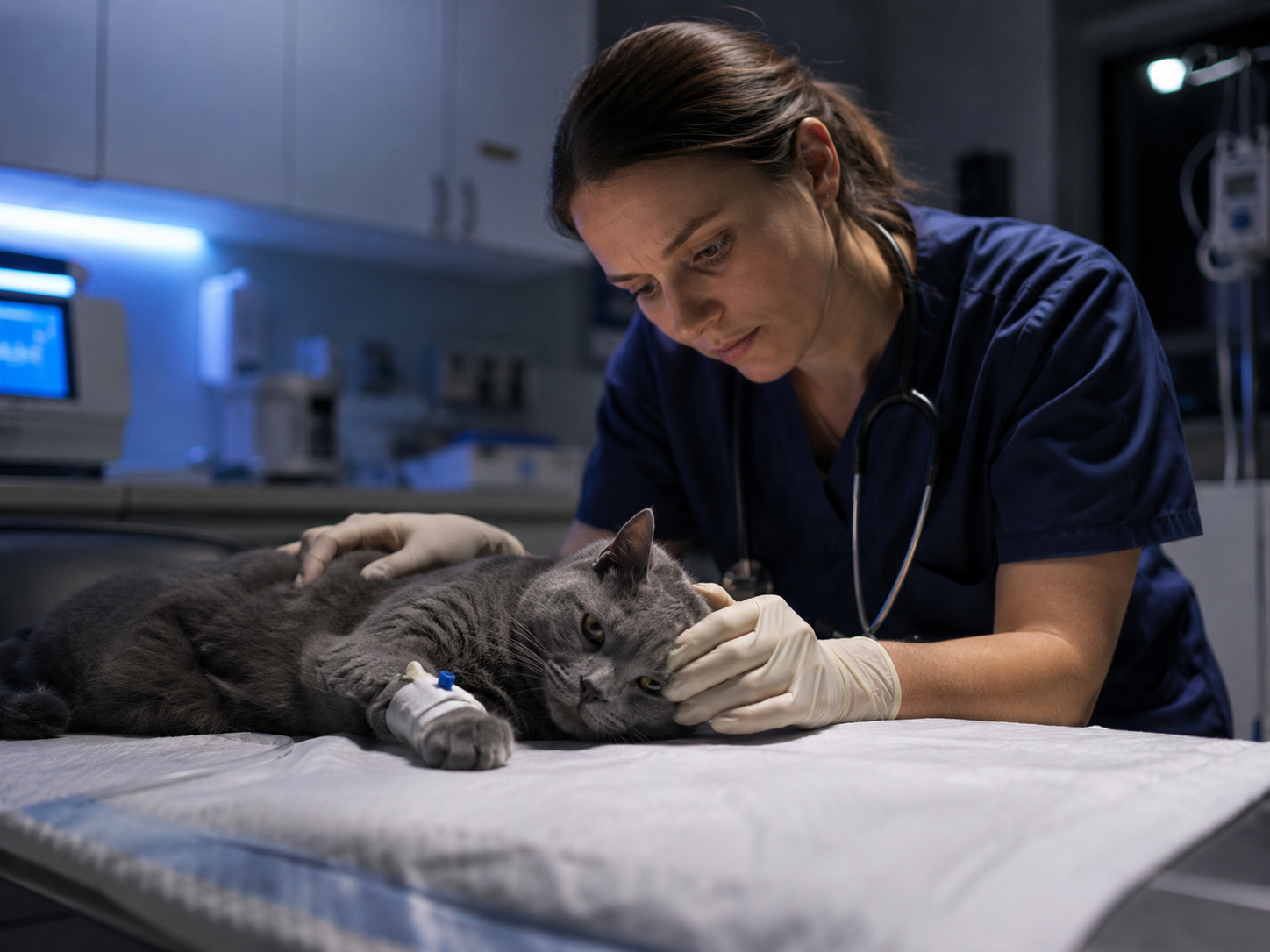
What a suspected foreign body can involve in Olive Branch
Dogs swallow things humans would never consider edible, because apparently evolution stopped a little early. Socks, toys, bones, fabric, corn cobs and other objects can become lodged in the stomach or intestine. When that happens, the veterinarian has to answer several questions quickly: Is an object really present? Where is it? Is the dog stable? Is the object likely to pass, removable without surgery, or already causing obstruction or tissue damage?
For owners in Olive Branch, the likely care pathway may include a clinic in DeSoto County and the broader north-Mississippi metro area if advanced imaging or surgery is required. A general veterinarian may identify the problem and refer the dog. An emergency or referral hospital may be able to perform imaging and surgery in the same facility. That difference can influence both timing and total cost.
What changes the cost of foreign-body treatment
| Part of the visit | Why it may affect the bill |
|---|---|
| Initial examination | The veterinarian assesses pain, hydration, vomiting, abdominal findings and overall stability. |
| Imaging | Radiographs or ultrasound may be needed to locate the object or identify obstruction. |
| Stabilization | Dehydrated or unstable dogs may need IV fluids, anti-nausea medication and pain control before a procedure. |
| Procedure type | Endoscopic removal, stomach surgery and intestinal surgery involve different equipment and complexity. |
| Bowel damage and hospitalization | Damaged intestine, resection, contamination or longer recovery can greatly increase the total. |
The biggest cost distinction is often not “surgery versus no surgery.” It is simple surgery versus complicated surgery. If the object is removed before it causes tissue damage, the case may be more straightforward. If the bowel has lost blood supply, perforated or become contaminated, the surgery and hospitalization can become much more intensive. That is one reason early evaluation can reduce both medical risk and cost.
Some objects can be removed with an endoscope if they are accessible and the clinic has the equipment. Others require abdominal surgery. The diagnostic work is what helps the veterinarian decide which path is realistic.
Why waiting can change the case
Repeated vomiting, refusal to eat, abdominal pain, lethargy and inability to keep water down are common warning signs in obstruction cases, but symptoms vary. If the owner knows the dog swallowed an object or strongly suspects it, waiting for proof to become dramatic can be risky. A moving object may still become lodged. An existing obstruction can become more damaging with time.
Call a veterinarian and describe the object, the dog's size, when ingestion may have occurred and what symptoms are present. That information can help the clinic decide how urgently the dog should be examined.
Questions to ask about the surgery estimate
Ask whether the estimate includes imaging, anesthesia, surgery, medications, hospitalization and follow-up. Ask whether the estimate assumes a simple removal or whether it already accounts for possible intestinal resection. Ask what findings would cause the total to increase. Those questions make a complex surgical estimate much easier to understand.
If the dog is stable enough to transfer, you can ask whether all services are available on site. But do not delay necessary stabilization or surgery solely to keep calling around. In obstruction cases, time can matter medically.
Related Olive Branch and Mississippi dog pages
- Veterinary Care in Olive Branch
- Dog Foreign Body Surgery Cost in Mississippi
- Emergency Vet Surgery Cost in Mississippi
- Dog Emergency Vet Cost in Mississippi
- Emergency Vets in Mississippi
Use the statewide treatment page for broader clinical context and the Olive Branch hub if you need to continue through local pages.
What happens before and after foreign-body surgery
Before surgery, the dog may need IV fluids, anti-nausea medication, pain control and bloodwork to assess hydration and organ function. Imaging helps the surgeon plan where the object is and whether the stomach or intestine appears compromised. Once anesthesia begins, the team monitors heart rate, breathing, blood pressure, temperature and oxygenation. Those support services are part of the surgical cost even though they are less visible than the operation itself.
After surgery, the dog may remain hospitalized until pain is controlled, hydration is stable and food can be reintroduced safely. More complicated cases may need repeated bloodwork, antibiotics or longer monitoring. Owners should ask what a normal recovery looks like and what warning signs would justify a return visit. That information is part of the value of the procedure, not an optional afterthought.
Prevention also matters after the crisis is over. Dogs that swallow fabric, toys or household objects may repeat the behavior. The discharge conversation should include management strategies, safer toy choices and environmental changes. Preventing the second obstruction is considerably cheaper than financing another surgery, a rare moment when common sense and economics manage to cooperate.
If the swallowed item is known, bring an identical object or a photo when possible. Size, shape and material can help the veterinarian judge risk. Sharp objects, batteries, string-like material and items that can expand or fragment are especially important to describe accurately. Do not feed bulky meals or attempt home remedies to “push it through” unless a veterinarian specifically instructs you to do so.
Keep a simple written timeline of symptoms, medications and major changes before the visit. In a stressful emergency it is surprisingly easy to forget when vomiting started, when the pet last ate, or which medication was given. A short timeline improves communication and can prevent duplicated questions when different staff members become involved in the case.
Frequently asked questions
How much does dog foreign-body surgery cost in Olive Branch?
The cost depends on imaging, the object location, the type of removal, bowel damage and hospitalization.
Does every swallowed object require surgery?
No. Some objects pass, some can be removed endoscopically and others require surgery.
How does the veterinarian find the object?
X-rays, ultrasound and sometimes other diagnostics are used depending on the material and symptoms.
Can waiting make surgery more expensive?
Yes. Delayed obstruction can lead to dehydration, bowel damage, perforation or a more complicated operation.
What symptoms suggest obstruction?
Repeated vomiting, poor appetite, abdominal pain, lethargy and inability to keep food or water down are common concerns.
Can a general vet perform the surgery?
Some can; others refer to an emergency or specialty hospital depending on complexity and timing.
Will my dog stay overnight?
Many surgical cases require monitoring, but length of stay depends on the procedure and recovery.
Can insurance cover foreign-body surgery?
Coverage depends on the policy and exclusions.
What should I ask about the estimate?
Ask whether imaging, anesthesia, surgery, medications, hospitalization and follow-up are included.
Can the estimate rise during surgery?
Yes. Unexpected bowel damage or additional procedures can change the plan.
Should I induce vomiting at home?
Do not do so unless a veterinary professional specifically instructs you, because it can be dangerous for some objects and situations.
Is this page a diagnosis?
No. Suspected obstruction requires veterinary evaluation.
Need help organizing the next step?
Use the assessment to organize symptoms, urgency and treatment questions before contacting a veterinary professional.
Start Free Pet Assessment