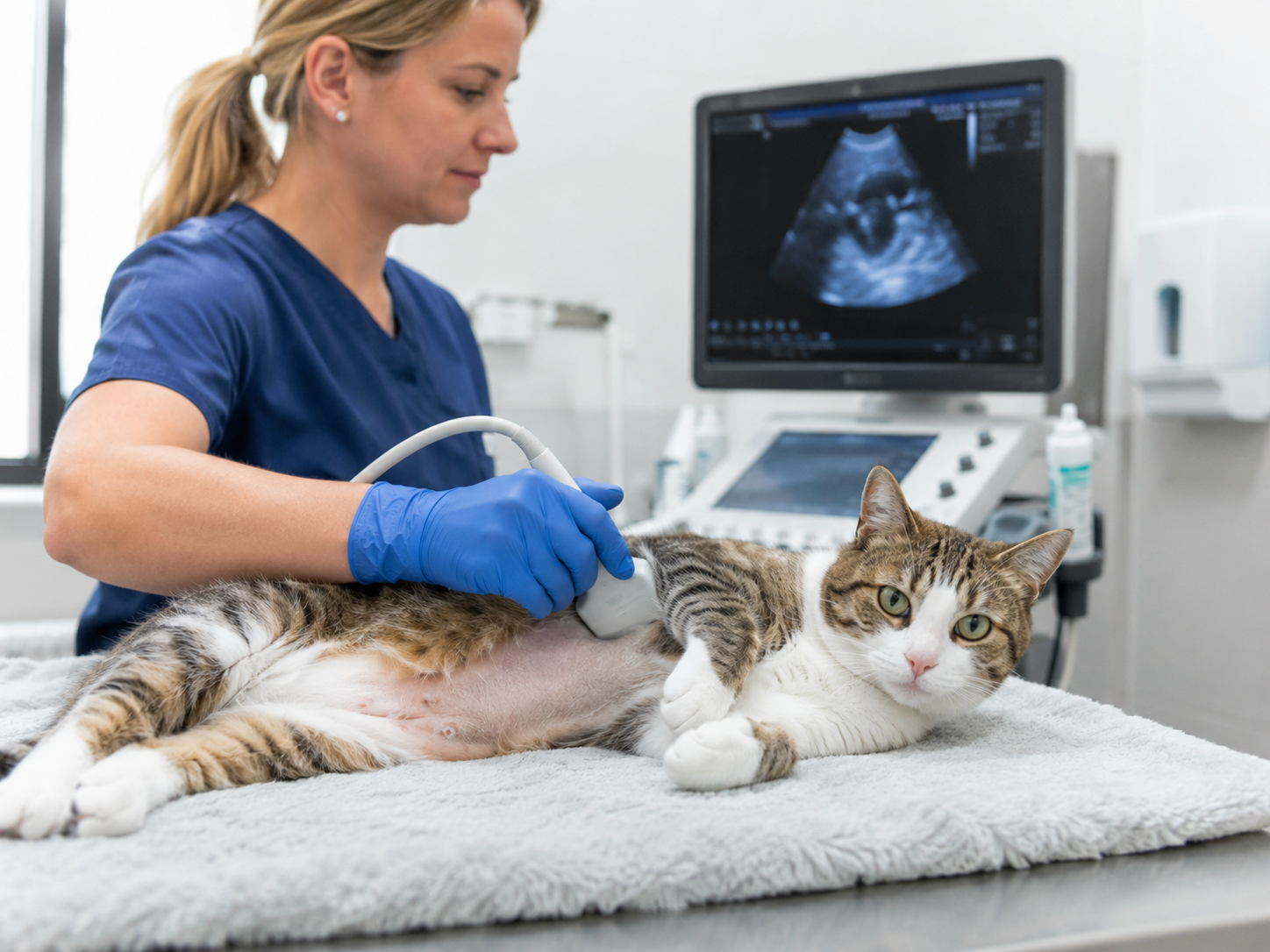
What a cat emergency visit in Meridian can involve
Cat emergency visits are difficult for owners because cats often show less dramatic symptoms than dogs. A cat may simply hide, stop eating, vomit, become quieter, strain in the litter box or breathe differently. By the time the owner is worried enough to search for emergency cost, the clinic still has to determine whether the problem is mild, systemic or immediately dangerous. That usually requires an examination and may require bloodwork, urinalysis, X-rays or ultrasound.
In Meridian, the best destination may depend on whether the cat needs simple urgent evaluation or more intensive care available in East Mississippi and nearby regional referral options. A clinic that can examine a stable cat may still refer a urinary obstruction, severe trauma or a surgical case. Understanding that service-level difference helps explain why local cost comparisons can be misleading.
The cost layers that usually matter
| Part of the visit | Why it may affect the bill |
|---|---|
| Emergency examination | The doctor assesses hydration, breathing, pain, circulation and other immediate concerns. |
| Laboratory tests | Bloodwork and urinalysis may reveal infection, kidney stress, dehydration, anemia or electrolyte problems. |
| Imaging | X-rays or ultrasound may be needed when obstruction, foreign body, trauma or internal disease is suspected. |
| Sedation and procedures | Catheterization, wound care, sedation or other procedures add treatment cost. |
| Hospitalization | IV fluids, repeat lab work and monitoring can become a large share of the total. |
A cat with mild vomiting may go home after examination and medication. A cat that cannot urinate may need emergency stabilization, catheterization, repeated monitoring and hospitalization. A cat with a swallowed object may move into imaging and surgery. Those pathways are so different that a single local average can give owners false confidence.
The useful question is not simply “What does an emergency cat visit cost?” It is “What does the first layer cost, and what findings would move my cat into a more intensive layer?” Ask the clinic to explain the estimate that way.
Cat symptoms that should move you faster
Inability to urinate, labored breathing, collapse, repeated vomiting, repeated seizures, major trauma, severe weakness, uncontrolled bleeding and suspected toxin exposure are obvious reasons to seek urgent care. Less dramatic changes can matter too. A cat that stops eating, hides unusually or seems suddenly much quieter may deserve prompt evaluation, especially if the change is substantial.
Because cats hide illness, waiting for the symptoms to become dramatic can be a poor strategy. If the cat is clearly deteriorating, call a veterinary professional instead of continuing to compare pages.
How to discuss the estimate without getting lost
Ask the clinic to divide the estimate into examination, diagnostics, treatment, hospitalization and follow-up. Then ask which items are needed immediately and which depend on results. That makes the bill easier to understand and gives the owner a better sense of where decisions may still exist.
If money is a concern, say so early. The clinic can explain the risk of declining tests or treatment and may be able to outline staged decisions. Silence about finances helps nobody, least of all the cat.
Related Meridian and Mississippi cat pages
- Veterinary Care in Meridian
- Cat Treatment Guides
- Cat Urinary Blockage Treatment Cost in Mississippi
- Emergency Vet Cost in Mississippi
- Emergency Vets in Mississippi
Use the related pages above when you know more about the likely condition or want a broader emergency-cost view.
Preparing a cat for an emergency trip
Transport can add stress for cats, so prepare the carrier before the last possible minute. Use a secure carrier with a towel or absorbent layer inside. If the cat is weak, painful or breathing poorly, handle it as little as necessary and avoid compressing the chest. Do not force food, water or medication unless a veterinary professional tells you to. If the cat may have been exposed to a toxin, bring the packaging or a photo of the product when it is safe to do so.
At check-in, describe behavior changes as well as obvious symptoms. Cats often communicate illness through reduced appetite, hiding, litter-box changes, reluctance to move or unusual posture. Those details can help the veterinary team prioritize the right questions and testing. Tell them whether the cat is urinating normally, whether vomiting has occurred, whether breathing looks different and whether there is any possibility of trauma or ingestion.
Emergency triage may move quickly if the cat is unstable, and the first estimate may focus on stabilization rather than a final diagnosis. That is normal. The medical team may need to restore circulation, control pain, provide oxygen or obtain urgent laboratory results before it can give you a complete picture. Understanding that sequence makes the cost discussion less confusing.
One more detail matters for cats: stress can change vital signs and behavior in the clinic. Bring the cat in a secure carrier, avoid unnecessary handling, and tell the team what is normal for that individual cat. A quiet cat may be frightened, painful or truly weak, and those possibilities need different interpretations. Good history from the owner helps the team separate them faster.
Keep a simple written timeline of symptoms, medications and major changes before the visit. In a stressful emergency it is surprisingly easy to forget when vomiting started, when the pet last ate, or which medication was given. A short timeline improves communication and can prevent duplicated questions when different staff members become involved in the case.
Frequently asked questions
How much is a cat emergency visit in Meridian?
There is no single citywide price. Testing, treatment and hospitalization determine most of the final bill.
Why can cat emergencies become expensive quickly?
Cats may need lab work, imaging, catheterization, sedation or hospitalization before the diagnosis and treatment plan are clear.
When is inability to urinate an emergency?
A cat producing little or no urine, especially a male cat, should be evaluated promptly because complete obstruction can be life-threatening.
Should I call first?
Yes when possible, particularly if you need after-hours or emergency care.
Can urgent care treat cats?
Some urgent-care clinics can, but capability varies by condition and facility.
Can I use insurance?
Possibly, depending on the policy and exclusions.
Will I receive an estimate?
Clinics usually discuss an estimate after the initial assessment, but it can change if the cat needs more treatment.
What symptoms are especially concerning?
Breathing difficulty, collapse, repeated vomiting, inability to urinate, repeated seizures and severe weakness are important red flags.
Why do cats need hospitalization?
IV fluids, monitoring, catheter care and repeat testing may require a hospital stay.
What if I have financial limits?
Tell the clinic early so the veterinarian can explain essential care and medical trade-offs.
Does this page list current clinic hours?
No. Current hours and intake status should be verified directly.
Is this page a substitute for a veterinarian?
No. It is educational only.
Need help organizing the next step?
Use the assessment to organize symptoms, urgency and treatment questions before contacting a veterinary professional.
Start Free Pet Assessment