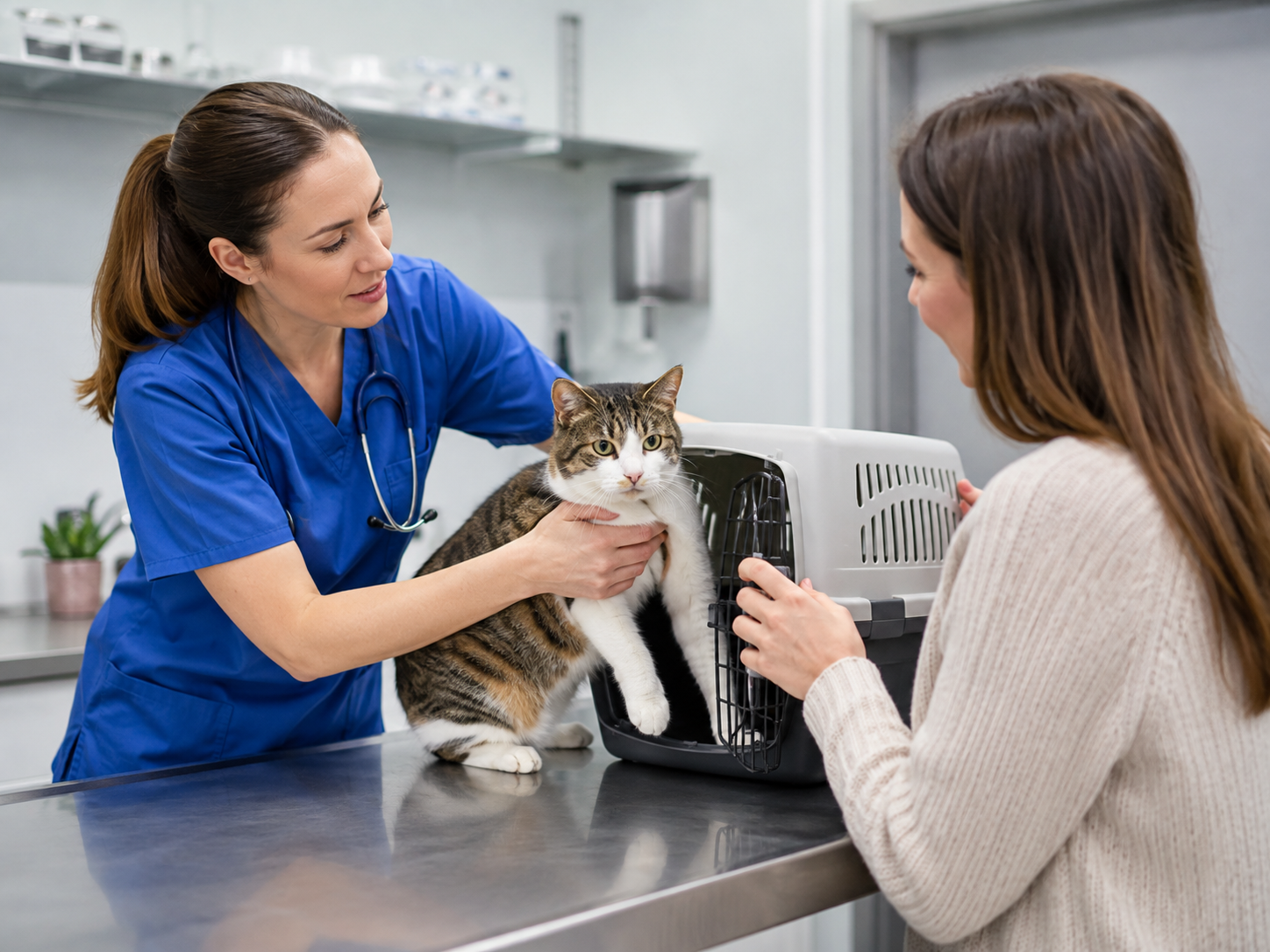
How emergency-vet cost works in Hattiesburg
People searching for emergency-vet cost in Hattiesburg are normally very close to a decision. The pet is sick or injured, the owner expects a bill, and they want to know what they may be walking into. The problem is that a single local number is usually less useful than it looks. An emergency visit can remain relatively simple if the pet is stable and the doctor needs only an examination, limited testing and medication. It can become far more expensive when the animal needs imaging, IV treatment, oxygen, anesthesia, surgery or overnight monitoring.
That is why this page treats cost as a sequence instead of a sticker price. In Pine Belt, pet owners may use clinics in the Pine Belt and nearby south-central Mississippi communities depending on the time of day and the level of care required. A clinic that can examine a stable patient may not necessarily be able to provide advanced imaging, surgery or ICU-level hospitalization. If referral becomes necessary, that can change both the location of care and the structure of the bill.
What usually changes the estimate
| Part of the visit | Why it may affect the bill |
|---|---|
| Emergency examination and triage | The first fee covers assessment and prioritization, but not necessarily the diagnostics or treatment that follow. |
| Laboratory testing | Bloodwork and other tests may be needed to identify infection, organ stress, anemia, dehydration or other problems. |
| Diagnostic imaging | X-rays or ultrasound can be necessary when trauma, obstruction, internal disease or abdominal problems are suspected. |
| Treatment and procedures | IV fluids, oxygen, medication, wound care, sedation, catheterization and other procedures can increase the total. |
| Hospitalization or surgery | Overnight monitoring, ICU care, anesthesia and surgery often create the largest jump in cost. |
The most useful way to read an emergency estimate is by layers. Ask what the clinic knows already, what it still needs to find out, and which part of the estimate is attached to each unanswered question. If the doctor is worried about obstruction, for example, imaging may be the decision point. If the pet is unstable, stabilization may come before detailed diagnostics. If surgery is likely, the estimate may change again after imaging confirms what is happening.
Owners sometimes assume a large range means the clinic is guessing. Usually it means the clinic is acknowledging uncertainty. Veterinary medicine has branching paths. The estimate changes as the case moves down one branch or another. A good conversation with the clinic should make those branches easier to understand.
How to compare cost without comparing the wrong thing
If your pet is stable enough to make calls, do not compare only the emergency exam fee. Ask whether the clinic provides the likely services on site. A lower exam fee is not much of a bargain if the pet then needs to be transferred for imaging or surgery. Ask whether diagnostics are available, whether hospitalization is possible, whether an overnight doctor or nursing team is present, and whether a deposit is required before treatment.
Also ask what the initial estimate includes. Some estimates separate exam, diagnostics and treatment very clearly. Others group several items together. Neither format is automatically better, but you should understand the categories before approving the plan. If money is tight, say so before treatment expands. A veterinarian can explain which recommendations are most urgent, what the medical trade-offs are, and whether there are staged decision points.
When price comparison should stop and action should start
If the pet is collapsing, having difficulty breathing, bleeding heavily, repeatedly seizing, unable to urinate, showing signs of severe trauma or becoming weaker quickly, the safer decision is usually to seek emergency evaluation rather than continue shopping for a perfect price. Delayed care can make the medical problem harder to treat, and that can make the eventual bill higher as well.
This is not an argument to ignore finances. It is an argument to put the decision in the right order. First determine whether the pet may be in danger. Then understand the essential care. Then discuss cost and options. Reversing that order can create worse outcomes.
Related Hattiesburg and Mississippi pages
- Veterinary Care in Hattiesburg
- Emergency Vet Cost in Mississippi
- Emergency Vets in Mississippi
- Veterinary Costs in Mississippi
- Start with the Pet Assessment
Use the local city hub if you need a broader Hattiesburg overview. Use the statewide emergency and cost hubs if you want to compare service types or move into a treatment-specific page.
A practical decision checklist before authorizing emergency care
When the first estimate arrives, work through it in a fixed order. Confirm what problem the veterinarian is trying to solve first. Then identify which tests are needed to answer that question. Next, separate stabilization from definitive treatment. Finally, ask what happens if the pet responds well and what happens if it does not. That simple sequence turns a confusing list of line items into a medical plan that is easier to understand.
For a stable pet, it can also be useful to ask whether every proposed step needs to happen immediately or whether some follow-up can safely occur with the regular veterinarian. For an unstable pet, the answer may be very different. The point is not to bargain against necessary care. It is to understand the timing and purpose of each item. Owners make better decisions when they can see the relationship between the diagnosis, the next test and the treatment that follows.
Frequently asked questions
How much is an emergency vet visit in Hattiesburg?
There is no single reliable citywide price. The total depends on the examination, diagnostics, treatment, procedures and hospitalization.
Is the emergency exam the whole bill?
No. The exam is usually only the first layer. Testing and treatment can become much larger parts of the total.
Should I call before going?
Yes when possible. Confirm current intake status and whether the clinic can provide the service your pet may need.
Can I ask for an estimate first?
Clinics commonly discuss an estimate or treatment range after the initial assessment, but emergencies can change quickly.
Can the bill rise above the estimate?
Yes. Additional findings, procedures or longer hospitalization can increase the total.
Does pet insurance cover emergency care?
Coverage depends on the policy, exclusions, waiting periods and reimbursement rules.
What if I cannot afford the full plan?
Tell the clinic early and ask which steps are essential, which are diagnostic, and what medical trade-offs exist.
Are after-hours visits more expensive?
They can be because staffing and service availability differ from routine daytime practice.
Is urgent care cheaper than an emergency hospital?
Sometimes, but the correct choice depends on whether the pet is stable and whether urgent care can safely provide the needed service.
What symptoms justify immediate emergency care?
Breathing difficulty, collapse, heavy bleeding, repeated seizures, inability to urinate and major trauma are examples.
Does this page list live clinic prices?
No. It explains cost drivers and local decision factors without pretending prices are identical or permanently current.
Is this veterinary advice?
No. It is general decision-support information, not diagnosis or treatment advice.
Need help organizing the next step?
Use the assessment to organize symptoms, urgency and treatment questions before contacting a veterinary professional.
Start Free Pet Assessment